
Forecast with Foresight: CNA’s SMART Approach to Hurricane Underwriting
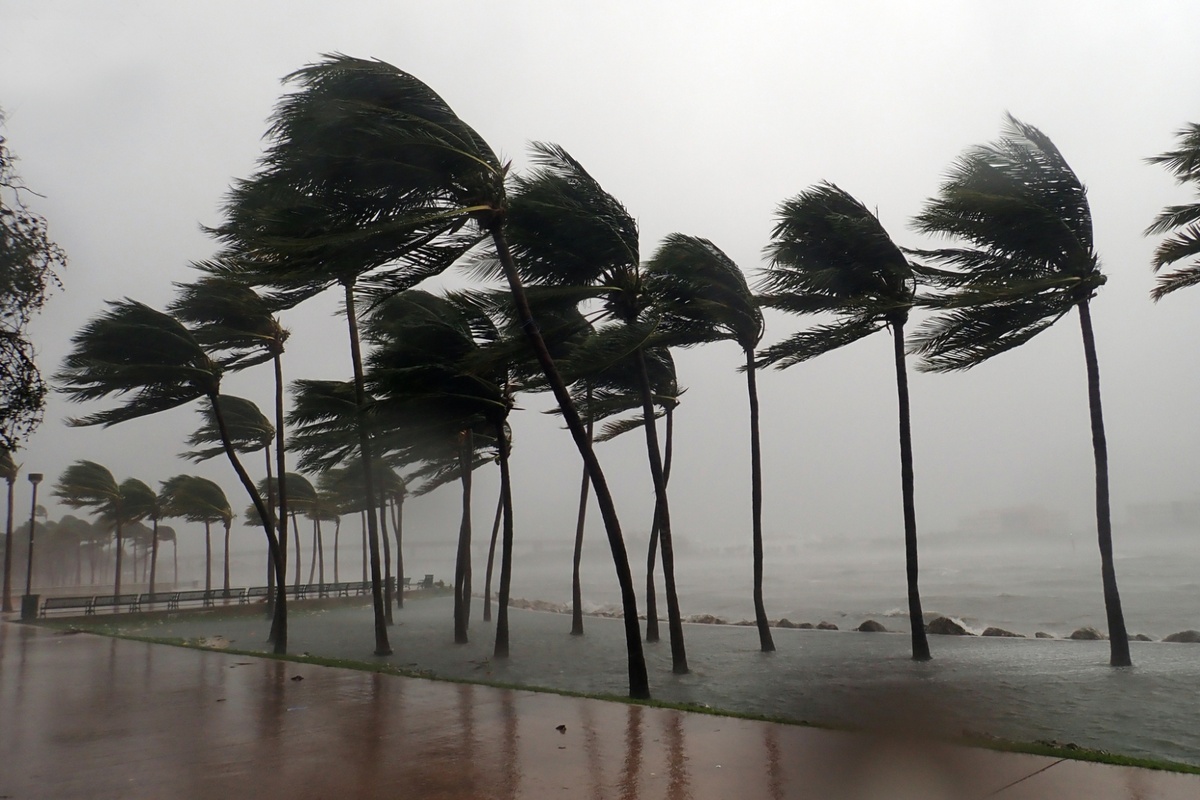
The intensifying nature of hurricanes is raising alarms – and not just in traditionally high-risk areas. The 2024 Atlantic hurricane season underscored this, producing an above-average 18 named storms, 11 hurricanes and five major hurricanes, with total estimated losses between $25.5 billion and $68.5 billion. Looking ahead, the National Oceanic and Atmospheric Administration (NOAA) has also predicted a 60% chance of an above-normal season in 2025.
Because insurance is a shared risk pool, these large-scale events and subsequent losses impact everyone. Now more than ever, an intentional, well-rounded approach to risk management is key to resilience and pricing stability.
CNA is built to lead and innovate in above-average hurricane seasons through its SMART strategy: a strategic model for natural catastrophe risk leadership.
S: Scientific Approach (Led by Enterprise Risk Management (ERM) and Risk Control)
Using hazard science and engineering principles helps ground assessments and recommendations in fact. Particularly as hurricane seasons intensify, storms are no longer simply making landfall on the coast and dissipating. Instead, their impact is spreading inland making it critical to apply flood science beyond coastal areas.
This scientific lens takes several factors into account:
- Evolving hurricane behavior requires continual reevaluation of exposure. For example, the Asheville flooding in 2024, which was far from the coast, reinforced the reality of inland vulnerability.
- Complete evaluations must go beyond wind alone – factoring in rainfall, storm surge and how well local infrastructure can respond.
- Tools like storm surge scores (which estimate potential storm surge depth and impact) and pluvial flood models (which predict flooding from heavy rainfall rather than rising bodies of water) help quantify complex storm impacts.
- Climate and hazard maps integrated into models can anticipate shifting risk zones.
This science-driven approach enables more accurate underwriting decisions, more strategic placement and stronger client preparedness.
M: Mitigation Strategies (Led by Risk Control)
At CNA, we don’t just recommend mitigation, we help implementing it. Our Risk Control team focuses on proven, measurable and cost-effective strategies that reduce risk and enhance property and operational resilience.
Businesses often face many hurdles to successfully mitigating risk, from underestimating risk due to limited technical awareness and budgeting constraints to a narrow focus on asset protection rather than broader business continuity and the incorporation of emerging technologies like artificial intelligence.
Our approach addresses these challenges head-on.
- We make risk understandable through targeted campaigns and client-ready resources.
- We deliver tailored, impact-driven mitigation strategies grounded in engineering assessments — recognizing that not every fix fits every client or location.
- We offer consulting services to strengthen business continuity and operational resilience, ensuring plans evolve alongside physical protection.
- We enhance risk assessments with AI-powered tools that complement human expertise — helping clients make smarter, faster decisions when it matters most.
Mitigation isn’t just a safety measure; it’s a powerful underwriting lever. The more resilient a property, the more favorable the risk profile and the lower the potential claims impact.
A: Analytical Thinking (Led by Actuary and ERM)
Data alone isn’t enough, what matters is turning it into insight. Our team focuses on exposure analysis, not just data collection, to deliver expert risk opinions.
New technologies like AI are playing an increasing role in enhancing hurricane pattern detection, forecast impacts and the overall accuracy of risk decisions. As exposure models adapt to account for cascading impacts, it’s essential to transform raw data into actionable insights for hurricane preparedness.
This analytical clarity helps underwriters cut through the data noise, zero in on material risks and drive stronger financial outcomes.
R: Risk Collaboration (Cross-functional: Claims, Risk Control, ERM)
Claims data, risk control feedback and actuarial models operating in sync has always been critical for integrating hazard insights into underwriting strategies, client recommendations and overall risk management. As hurricane seasons grow more volatile, this collaboration is more vital than ever.
For instance, accurate and complete past claims data closes the loop on underwriting assumptions by revealing real-world system failures. Additionally, lessons learned from past events should be formally captured and shared widely to refine future risk strategies. Most importantly, clear and consistent communication across teams creates a seamless client experience, especially in navigating above-average storms. Doing so not only multiplies the value of internal expertise but enables better client support throughout.
T: Trusted Relationships (Led by Underwriting)
Underwriters are not just risk gatekeepers, but risk educators. Building trust through regular, transparent communication helps clients make informed decisions quickly and fosters loyalty during moments of crisis.
Establishing credibility with stakeholders requires a deep understanding that underwriting strategies need to adjust to new climate data, changing reinsurance conditions and evolving client portfolio goals. Cross-functional collaboration is likewise crucial. Partnerships with Actuarial, Claims, ERM and Risk Control teams ensure alignment and consistency across pricing, coverage and mitigation initiatives.
CNA has tailored insurance solutions for every type of business – no matter the size or structure – guided by advanced CAT modeling and evolving risk science.
We’re here before, during and after disaster strikes, applying our SMART framework to help clients protect what matters, minimize downtime and recover faster. Insurance isn’t just about paying claims; it’s about building resilience.
Visit our Hurricanes and Tropical Storms resource page for toolkits, preparedness and recovery resources and helpful contact information.
Related Content